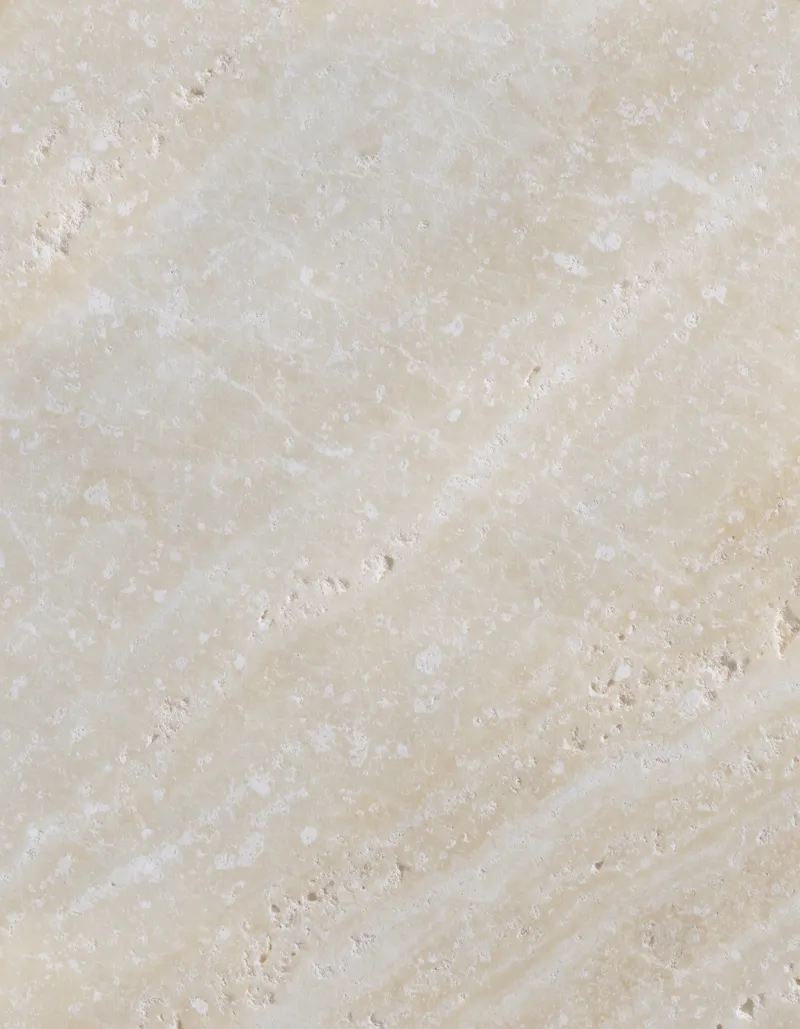
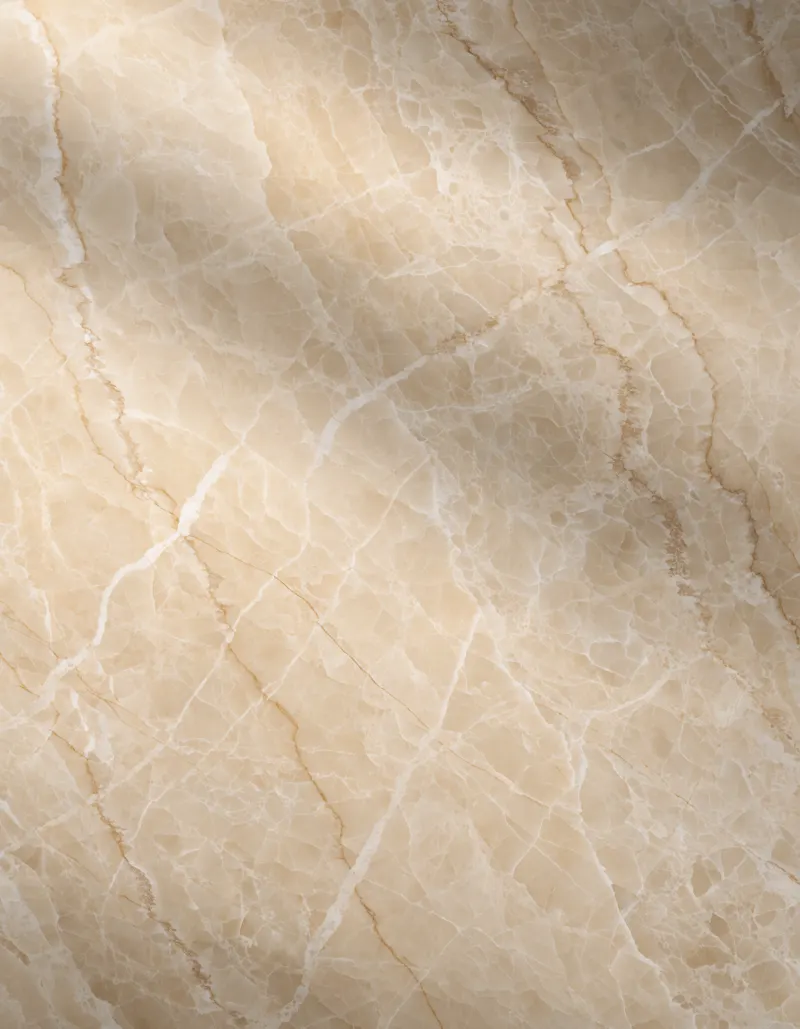
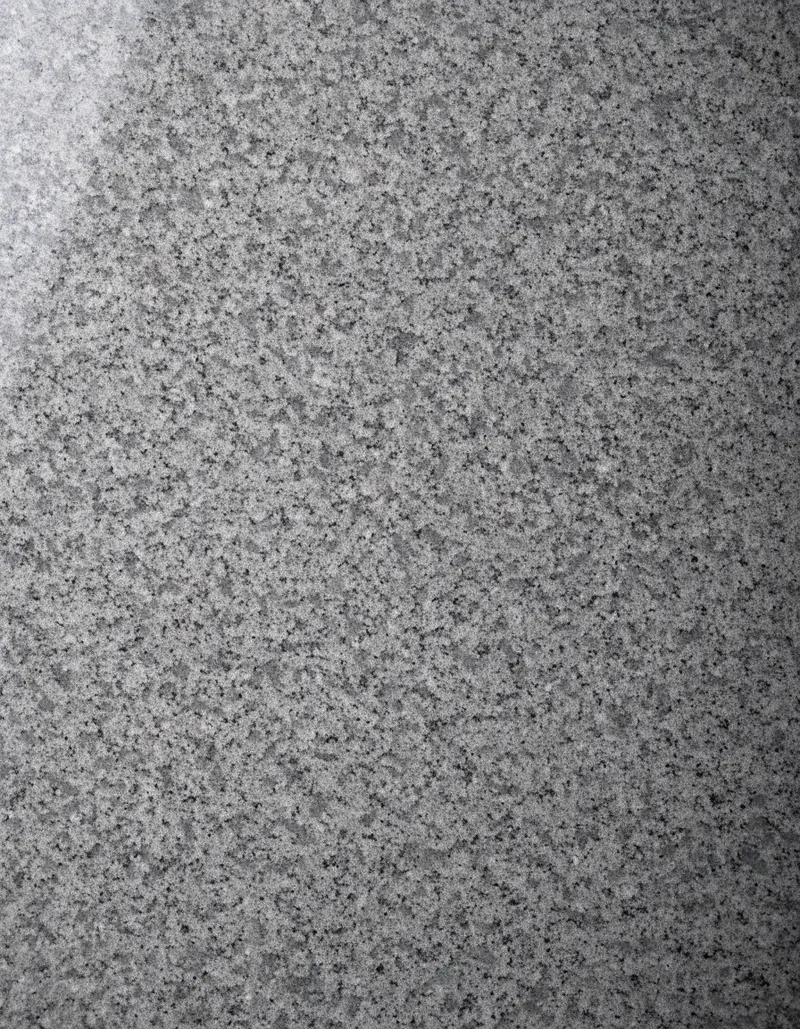
Polished, honed, brushed, sandblasted, bush hammered, tumbled, flamed, chiseled: what each finish does to an Egyptian stone, and where it belongs.
A finish is not decoration applied to a stone. It is the stone, worked. Change the finish and you change the colour, the glare, the grip underfoot, the way dust settles, the way the surface ages, and what the material feels like under a hand.
This is why one Egyptian limestone can be a formal hotel lobby, a barefoot pool deck and a rustic courtyard in the same project. Twelve finishes are worked here, alone and in combination. Here is what each one does.
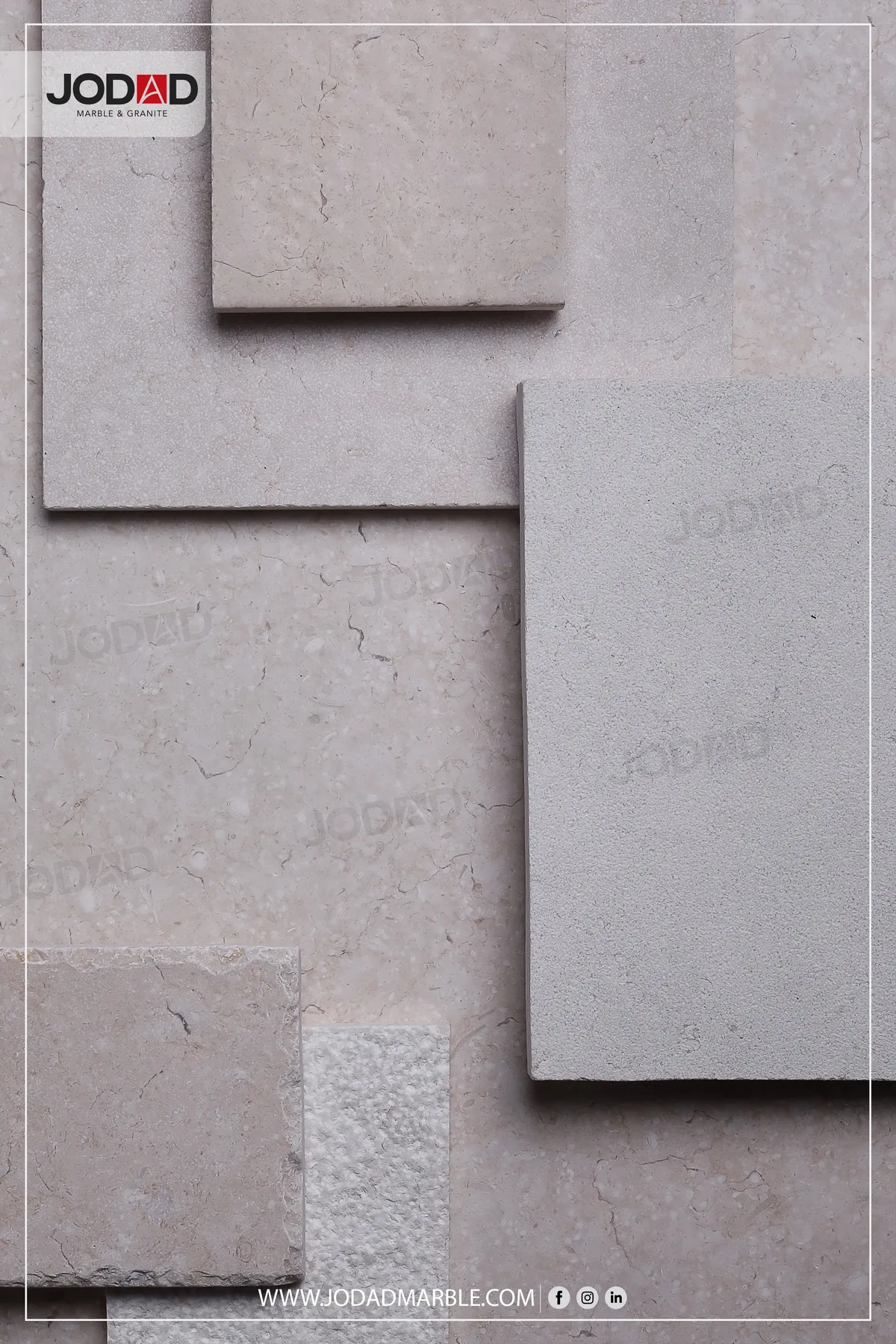
What a finish actually changes
Four things, in the order that matters on site.
- Colour. Polishing deepens and saturates. Heat and abrasion lift a face lighter, greyer, dustier. A stone approved polished and delivered flamed is, to the eye, a different colour.
- Light. A polished floor in an open courtyard is a mirror; a honed or sandblasted face diffuses the same light instead of throwing it back.
- Grip. Texture is a safety decision anywhere the floor gets wet, and the depth of that texture is what makes it work.
- Maintenance. Deep texture holds dust. On a driveway that reads as patina; on a wall at eye level it reads as dirt.
The smooth faces
Polished
Abrasives taken to a mirror. The colour goes to its deepest, veining reads at full contrast, crystals in granite turn glassy. Formal, reflective, and the easiest face to wipe clean.
Use indoors: floors, feature walls, counters, reception faces, backlit onyx. Outdoors, keep it for shaded, dry places and for cladding out of reach; polished stone underfoot in the Egyptian sun is glare and heat.
Honed
Ground flat and stopped before the shine. A soft, even matte, colour quieter than polished by a clear step, and far more forgiving of scratches and footmarks.
Use for high traffic floors, stair treads, bathrooms, and anywhere a room needs the stone to sit down rather than perform.
The textured faces
Brushed
Abrasive brushes travel over the face and wear the softer minerals back, leaving a fine, silky ripple. It reads warm and hand-worked, holds a low sheen, and hides wear better than any smooth finish.
Use for façades, feature walls, counters that get real use, and floors that want texture without roughness.
Sandblasted
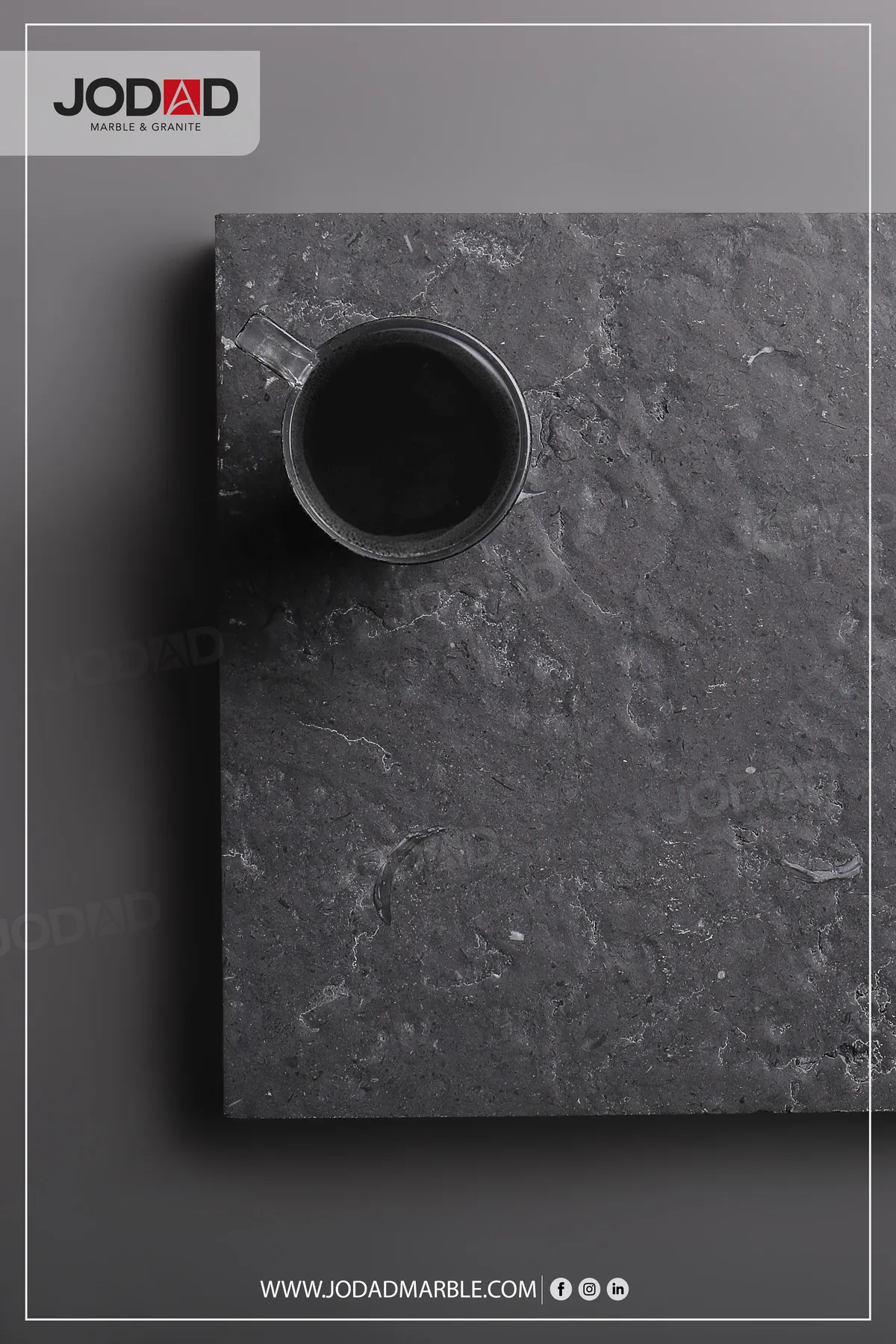
Abrasive driven at the face under pressure gives an even, fine, open matte with reliable grip. Quieter than bush hammering, more uniform than flaming, and kind to bare feet.
Use for pool surrounds, terraces, ramps, and light stones that would otherwise glare.
Bush hammered
A hammer head pits the surface into a dense, even texture. Deeper grip than sandblasting, and a face that reads solid and architectural from a distance.
Use for external steps, ramps, thresholds, plinths and heavy-traffic paving. Keep it away from hand height, where the pitting collects dust.
The worn faces
Tumbled
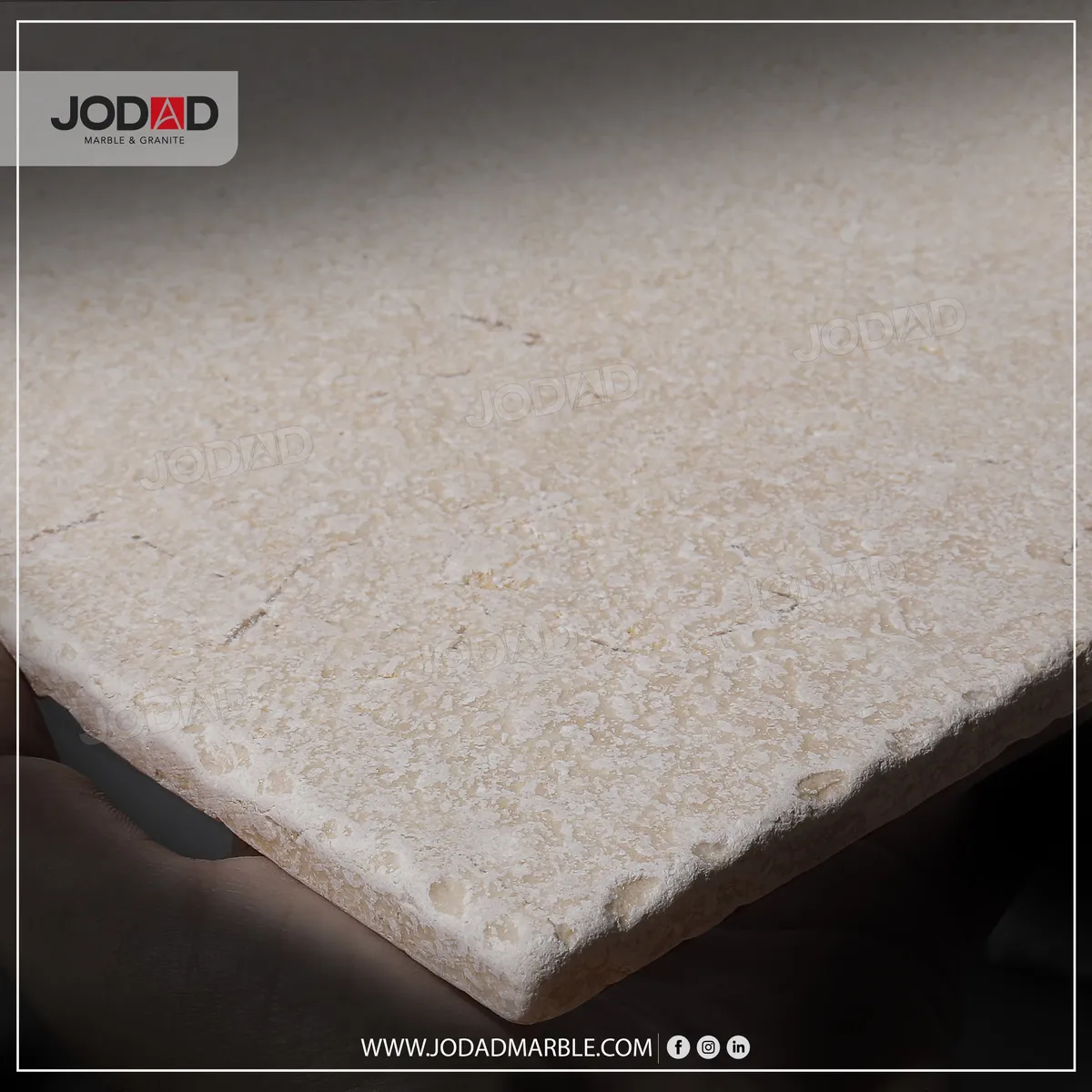
Stone tumbled with abrasive until the edges soften and the face takes on an aged, slightly worn character. The most forgiving finish there is: it does not show wear, because it starts worn.
Use for courtyards, garden paving, rustic interiors, and anywhere a new build wants to look like it has been there a while.
Acid
An acid wash opens the surface texture and knocks the shine out, giving a matte, softly eroded face. Often taken with tumbling, which is why it is usually written acid and tumbled.
Use for façades and paving that want an antique reading, and for cladding that must not glare.
The broken faces
Flamed
A flame passes over granite and the surface crystals break away from the heat. The result is coarse, dependable underfoot, and noticeably lighter and greyer than the same granite polished.
Use for external floors, steps, ramps and pool edges in granite. It is the standard hard-wearing exterior finish, and it only works on stone that can take the heat.
Chiseled
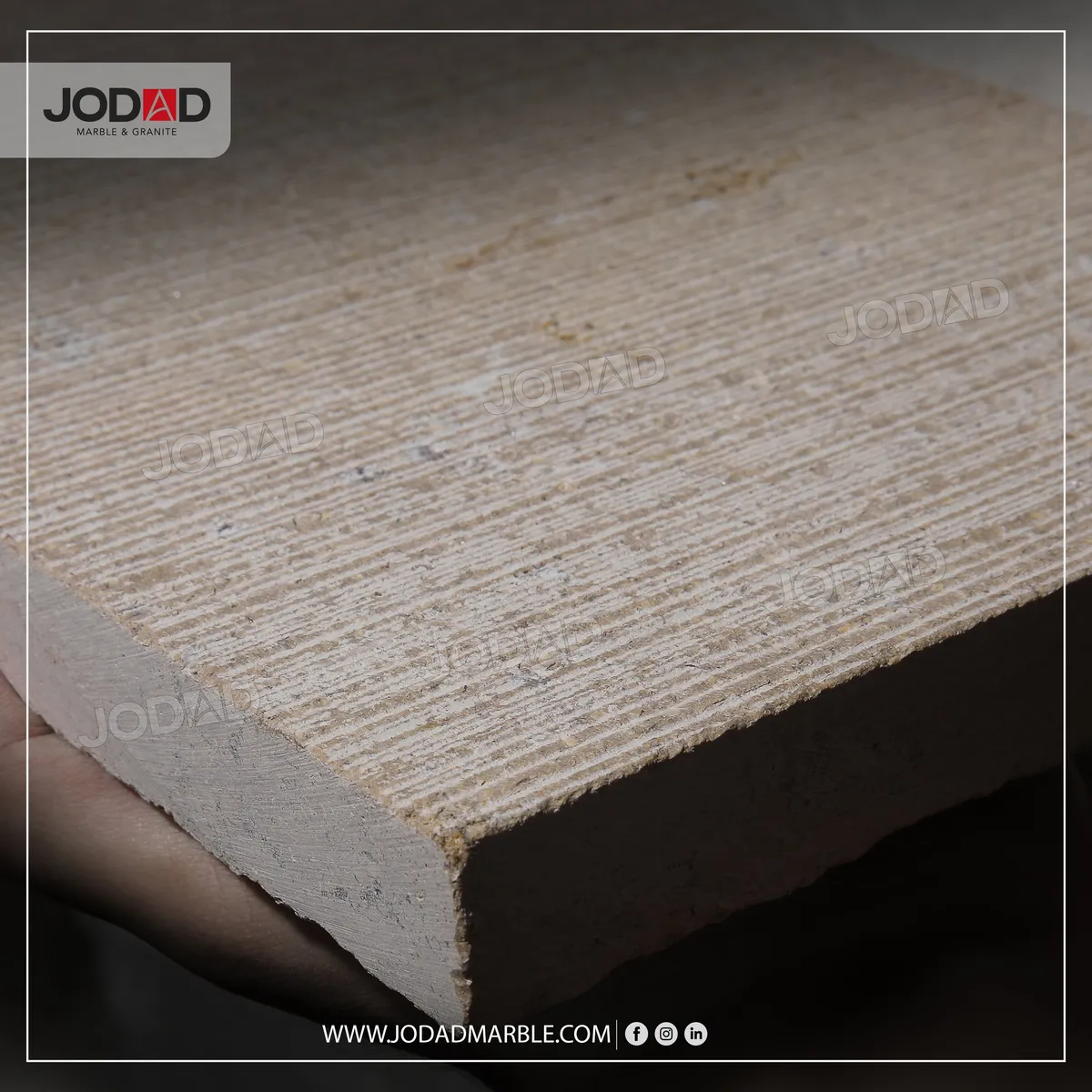
A tooled face, cut in linear grooves. It throws shadow, breaks light, and gives grip in one direction rather than all of them.
Use for feature walls, ramps, step treads and banding where a surface needs to read as worked rather than manufactured.
Stripped
A hand-worked, split-textured face with a rough, quarried character. The most elemental of the twelve, and the one that most obviously says stone.
Use for feature cladding, garden walls, plinths and bases, in fields rather than in single panels.
Raw
The face as the saw left it. Flat, dry, honest, and the truest reading of a stone's base colour, which is exactly why it makes a poor sample for a polished order.
Use for sub-surfaces, hidden faces, and the occasional deliberately unfinished detail.
Bullnose
Not a face but an edge: the profile is rounded so nothing chips, cuts or catches. It belongs on every tread nose, pool coping and exposed edge that people walk on or touch, and it is the detail most often left off a drawing.
Combinations, and the order they are named in
Finishes are worked in sequence, and the name records that sequence. Honed and tumbled is honed first, then tumbled. Chiseled, acid, tumbled means three passes in that order, and reversing them gives a different face.
Combinations that earn their keep:
- Sandblasted and brushed: grip with the roughness taken off the top.
- Acid and tumbled: an aged, matte, low-glare surface.
- Bush hammered and brushed: heavy texture, softened for hand contact.
- Honed, tumbled and bullnose: the standard kind-to-bare-feet step or pool coping.
- Flamed and tumbled: granite grip without the raw flamed edge.
- Chiseled, acid and tumbled: the most worked, most antique face in the set.
Choosing a finish in three questions
- Inside or outside? Outside, start with the finish and let colour follow. Sun, dust and wet feet decide first.
- Does it get wet? If yes, the finish is a safety decision: flamed, bush hammered or sandblasted, with a bullnose on every exposed edge.
- Will a hand touch it? Match the depth of texture to reach. Rough underfoot, quieter at hand height, smoothest where people lean and sit.
How to specify a finish so it arrives right
- Write the stone, the finish and the edge profile as one line: stone name, finish sequence, edge.
- Give a finish per element, not per project. A stair can be flamed on the tread and honed on the riser.
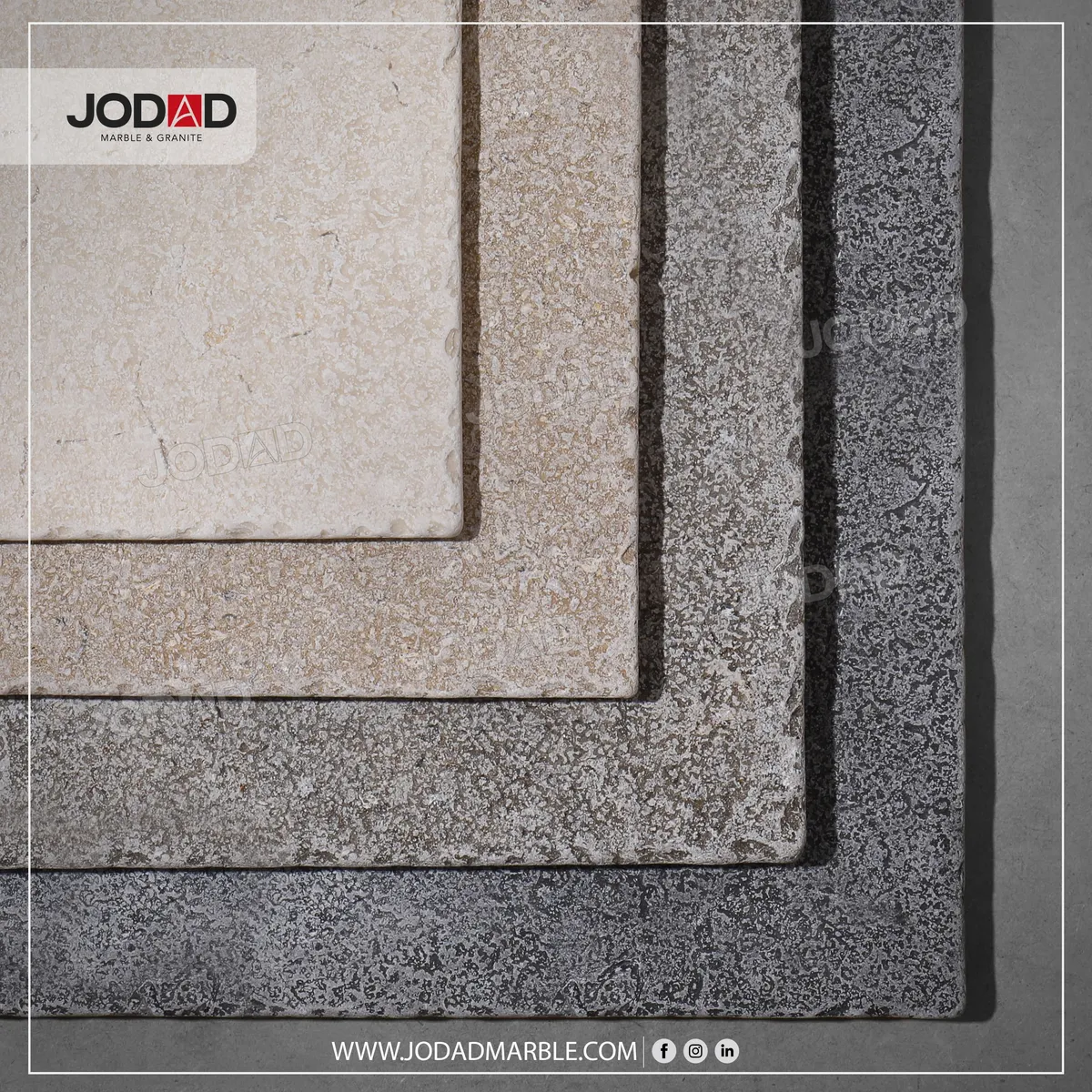
- Approve a sample in the finish you are actually buying, not a polished stand-in.
- Look at the sample wet, and look at it outdoors. Workshop light flatters everything.
- If the elevation must read as one field, ask for one batch and for dry-lay inspection before packing.
Quick reference
| Where it goes | Finish to specify | Why |
|---|---|---|
| Interior floor | Honed, or polished where traffic is light | Hides footmarks; polish only survives light use |
| Interior feature wall | Polished, brushed | Out of reach, so shine and texture both work |
| Bathroom floor | Honed, sandblasted | Matte grip when wet, easy to clean |
| Kitchen or vanity top | Polished, honed, brushed | Smooth enough to wipe, hard enough to last |
| Façade cladding | Honed, brushed, sandblasted, acid and tumbled | Diffuses hard light instead of throwing it back |
| Pool deck and coping | Sandblasted or bush hammered, bullnose edge | Grip underfoot, no edge to cut a bare foot |
| Steps | Flamed or chiseled tread, bullnose nose | Traction on the tread, a nose that will not chip |
| Driveway and courtyard | Tumbled, bush hammered, flamed granite, cobbles | Starts worn, so dust reads as patina |
The stone sets the colour. The finish decides what the colour does in your building. Choose it early, and see it in the sequence you will get: it is the cheapest decision in the order, and the one most often made last.